
2026 GMC Canyon near Spindale, NC
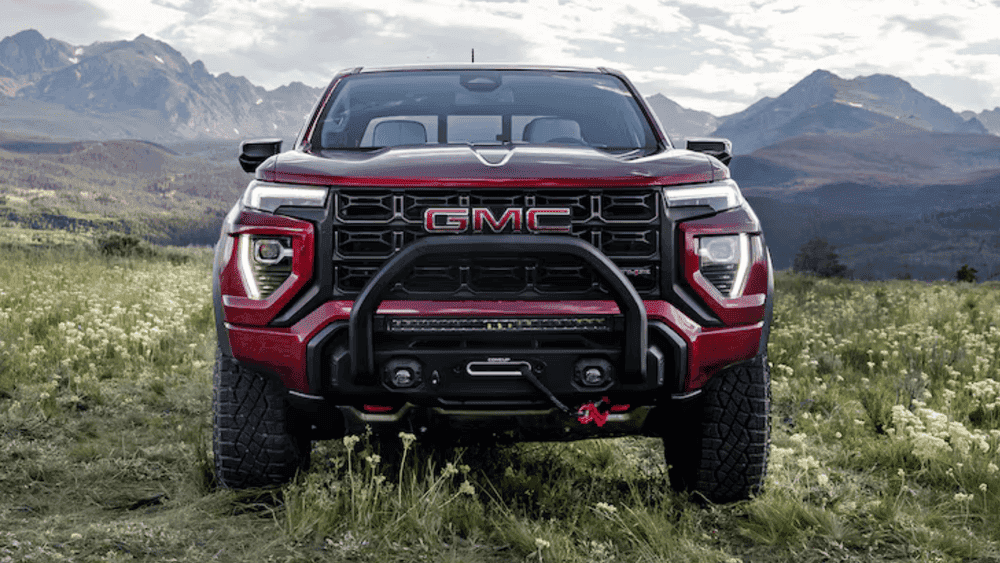
The 2026 GMC Canyon is built as a mid-size truck designed to support consistent capability through advanced engineering and purposeful mechanical systems. Its construction brings together structural strength, power-focused calibration, and integrated digital features that allow the truck to function efficiently in a wide range of operating environments. The technical composition of the 2026 GMC Canyon centers on delivering predictable performance supported by durable materials and modern vehicle technologies. Its systems work together to provide steady control, useful connectivity, and dependable handling.

Engine Configuration and Performance Characteristics
The 2026 GMC Canyon uses a TurboMax™ engine rated at 310 horsepower. This power unit operates through a turbocharged design that supports strong output across varied driving conditions. The engineering behind the TurboMax™ platform focuses on efficient combustion through controlled air management and consistent pressure delivery. Its output distribution is calibrated for stable acceleration that remains uniform even as demands on the vehicle increase. Torque response remains firm across the operating range, which assists in towing work and climbing gradients.
Thermal stability is an essential part of this engine’s design. The system includes temperature management structures that disperse heat generated during prolonged use. This helps the engine maintain performance during extended load cycles. The internal components are manufactured using materials selected for durability under sustained pressure and heat. This allows the powertrain to hold output levels without significant drop during extended operation. The engine’s airflow pathways and forced induction sequences support ongoing efficiency while managing energy loss during combustion.
The engine layout is also structured to provide consistent throttle behavior across variations in driving surface. The calibration supports controlled pedal response to create a predictable pattern of acceleration. This contributes to improved handling in low-speed tasks where accuracy is important. The system also supports steady highway operation through controlled torque flow. These characteristics allow the engine to operate in a manner suited to both daily applications and heavier mechanical tasks.
Structural Composition and Exterior Engineering
The exterior of the 2026 GMC Canyon incorporates a combination of high-strength materials and aerodynamic shaping. The body structure uses reinforced sections that increase rigidity. This supports load-bearing performance and helps maintain vehicle alignment during towing or transport. The design includes surfaces shaped to manage airflow along the vehicle to reduce drag and support stability during high-speed travel. The layout maintains the truck’s functional stance while applying specific angles and contouring that guide airflow more efficiently.
The exterior structural frame contributes to safety and durability. High-strength steel in key areas enhances impact absorption capabilities. These reinforced sections are part of a framework designed to maintain cabin integrity. The materials used across exposed surfaces provide resistance to corrosion and wear. This allows the truck body to perform consistently under demanding weather conditions and extended outdoor operation.
The lighting architecture is engineered to improve road visibility. Headlamp assemblies are designed to produce precise illumination patterns that increase clarity for the driver during low-light conditions. The positioning of the lighting elements enhances peripheral visibility. The geometry of the housing helps maintain beam focus while reducing glare toward surrounding traffic. Exterior visibility is an essential part of the 2026 GMC Canyon’s design, supporting both safety and operational awareness.
The cargo bed engineering supports structural strength and repeated use. The bed surface materials are selected to withstand loading impacts and abrasion from tools or equipment. The formation of the cargo area includes heavy-duty anchor points that support secure tie-down of cargo. The overall design enables straightforward organization and transport of materials required for work or recreation.
Cabin Engineering and Digital System Integration
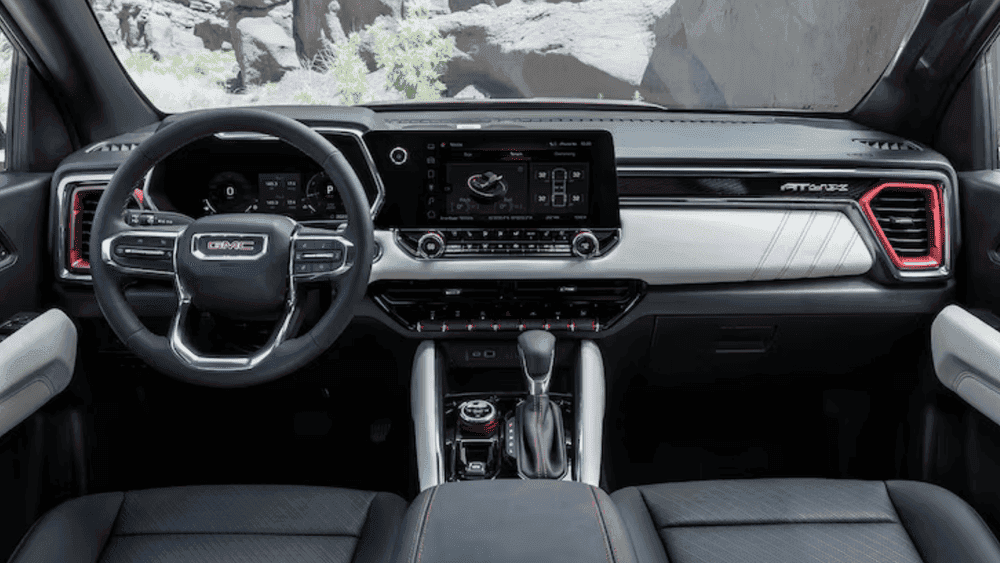
Inside the 2026 GMC Canyon, the cabin technology focuses on functional usability supported by a modern digital interface. The central feature is an eleven-inch infotainment display designed for quick access to essential controls. The interface presents navigation, media, and system information in a format intended for clarity and minimal distraction. The touch panel is engineered for sensitivity that responds quickly to input while maintaining accuracy through stable processing hardware.
Interior signals are processed through a unified digital system that presents real-time information about vehicle status. This may include power output data, maintenance indicators, and performance readings. The layout of the controls allows the driver to interact with multiple systems through a streamlined interface. The integration of display functions reduces the need for physical buttons, which decreases visual complexity within the cabin.
The available Bose® audio system uses premium speaker design supported by advanced sound engineering. The placement of speakers is arranged to distribute audio across the cabin. Signal processing technology refines sound clarity, which improves communication and navigation command recognition. The audio structure assists with maintaining focus during travel by enabling clear reception of alerts and voice prompts.
Connectivity tools support smartphone pairing through wireless or wired systems depending on configuration. These tools allow access to communication features, media streaming, and select vehicle functions. The system architecture is structured to maintain signal stability. Data routing through the infotainment core ensures that updates and information transfers occur without disruption. These integrations support operational convenience and ensure the driver maintains access to essential digital resources.
Driving Behavior and Handling Dynamics
The handling characteristics of the 2026 GMC Canyon are shaped through suspension tuning and chassis design. The suspension structure helps maintain tire contact on varied surfaces. Damping components reduce vibration and preserve cabin stability. These features create predictable movement during turns and uneven terrain navigation. The system is constructed to absorb impact while preserving steering accuracy.
Steering calibration supports controlled directional response. The ratio between steering input and wheel movement is tuned for precision. This helps the driver maintain consistent handling during low-speed maneuvers. The steering system also supports straight-line stability by ensuring that small inputs translate into smooth adjustments rather than abrupt directional changes.
The chassis integrates stability programs that analyze vehicle movement and apply corrective action when needed. These systems manage traction and wheel slip. Sensors measure motion patterns and transmit data to modules that influence braking or engine response. The goal is to maintain alignment and direction during changing road conditions. These integrated systems support the driver by supplementing manual control with automated safety functions.
Safety Systems and Visibility Enhancements
The 2026 GMC Canyon includes a series of safety systems designed around hazard detection and driver assistance. Collision detection sensors monitor objects ahead and identify potential impact risks. The system processes distance, relative speed, and trajectory to determine if alerts or interventions are necessary. Automatic emergency braking can activate to reduce the chance of impact.
Lane assistance technology monitors the vehicle’s position in relation to marked lanes. The system uses cameras to track road markings and provide notifications when the truck begins to drift unintentionally. Some configurations may include steering support to help guide the vehicle back toward the center of the lane. These technologies support driver awareness and help reduce common road errors.
Visibility tools such as advanced camera systems supplement the driver’s view. These systems can offer multiple angles to assist with backing or trailer alignment. The camera feeds provide clarity that helps the driver navigate restricted areas. These features contribute to improved situational awareness during operation.
The structural safety design helps manage the force produced during collisions. Reinforced zones direct energy away from occupants. Cabin materials and frameworks are engineered to maintain shape under significant pressure. These design characteristics form a protective environment intended to reduce injury risk.
Interior Function and Operational Comfort Engineering
The interior layout is structured for efficient operation. Seating geometry supports posture during extended driving sessions. The arrangement of cabin elements allows access to switches, controls, and displays without excessive reach. Materials within the interior are chosen for strength and longevity. The surfaces resist wear that occurs through repeated contact.
Sound reduction materials around the cabin help manage noise generated by the engine, tires, or wind. These components support communication clarity by reducing environmental interference.
Schedule a Test Ride Today
This is an ideal time to experience the engineering of the 2026 GMC Canyon through a test drive. Our team can walk you through the power characteristics of the TurboMax™ engine and the structure of the digital systems. You can evaluate the cabin functions and driving dynamics in motion. This helps you understand how each feature supports daily tasks and operational demands. You are invited to schedule your test drive with Friendship Chevrolet of Forest City of Forest City near Spindale, NC, to explore the technical capabilities of the 2026 GMC Canyon in detail.