
2026 Chevrolet Blazer EV near Ruth, NC
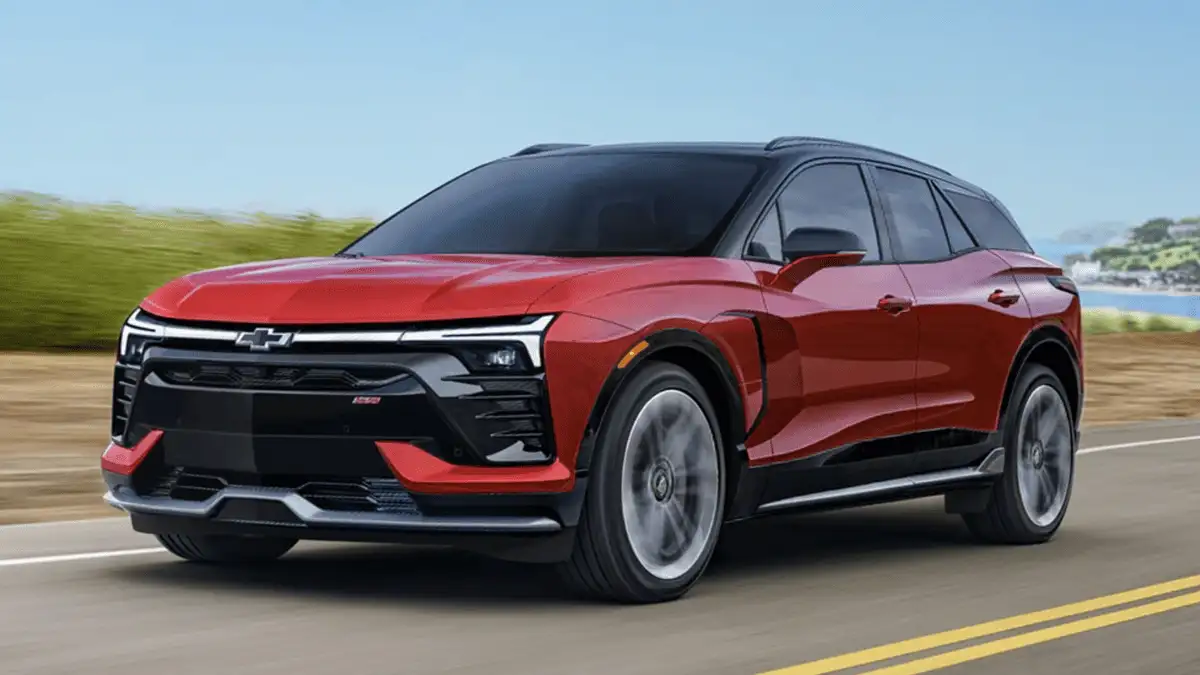
The 2026 Chevrolet Blazer EV is a midsize electric SUV developed on a dedicated battery-electric platform. It is offered in multiple trims, including LT, RS, and SS, each configured with distinct performance outputs and feature availability. The vehicle uses an electric propulsion system that replaces traditional internal combustion components with battery storage and electric drive units. This configuration allows for immediate torque delivery, reduced mechanical complexity, and optimized interior packaging.
The platform supports multiple drivetrain layouts depending on trim selection. Rear-wheel drive and all-wheel drive configurations are available, allowing the vehicle to adapt to varying traction and performance requirements. The architecture integrates battery placement within the floor structure to maintain a low center of gravity and improve stability during acceleration, braking, and cornering.
Electric Drive System and Output Characteristics
The 2026 Chevrolet Blazer EV uses one or more electric motors depending on the drivetrain configuration. These motors generate power through electromagnetic processes rather than combustion. This system provides consistent torque across a wide speed range. Acceleration is linear and immediate because there is no need for gear shifting in the conventional sense.
The SS trim is engineered for higher performance output compared to the LT and RS configurations. It incorporates enhanced motor capability and performance-focused calibration. This allows for stronger acceleration and increased responsiveness during high-demand driving conditions. The LT and RS trims focus on balanced output that supports efficiency and daily usability while still maintaining adequate performance for highway merging and passing.
Power delivery is controlled electronically, allowing precise modulation of torque to the wheels. This contributes to traction optimization and stability under varying road conditions. The system continuously adjusts output based on driver input and environmental factors.
Advanced Hands-Free Driving Capability
Available Super Cruise® technology provides hands-free driving capability on compatible roadways. This system uses a combination of cameras, sensors, GPS data, and detailed mapping to maintain lane position and control speed.
Driver attention monitoring ensures that the driver remains engaged while the system is active. The system can prompt the driver to take control if conditions change or if attention is not maintained.
Super Cruise® is designed for controlled-access highways and requires compatible infrastructure. Its functionality is dependent on system calibration and environmental factors.
Interior Layout and Digital Interface Systems
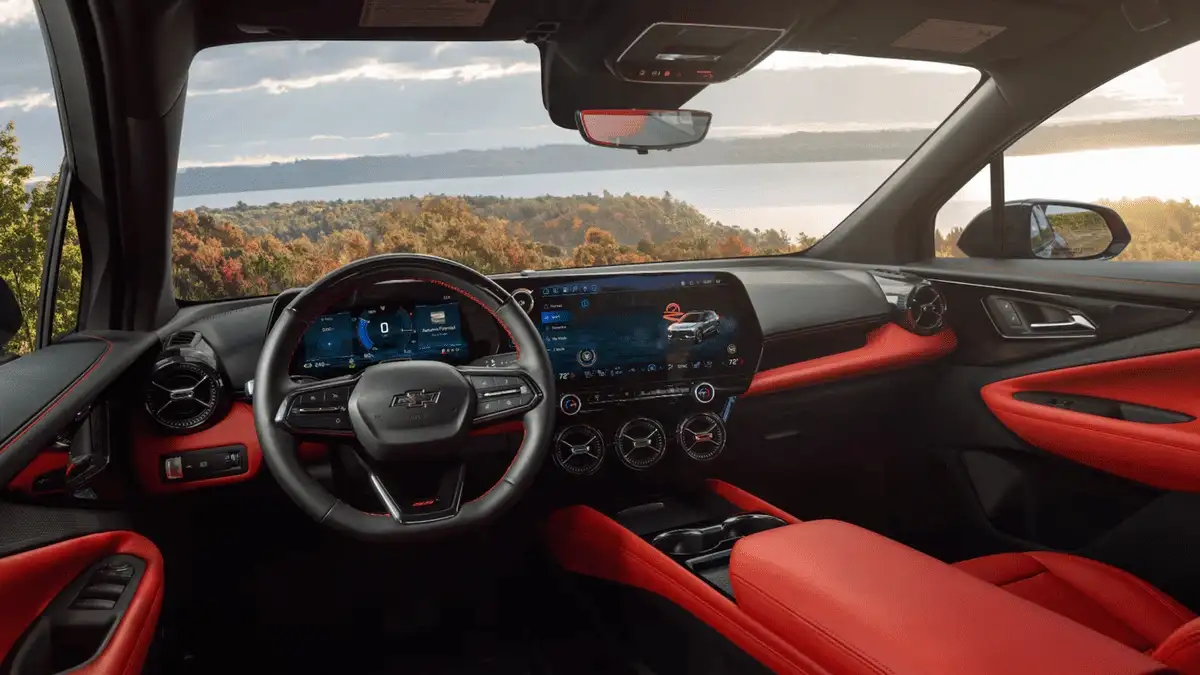
The interior of the 2026 Chevrolet Blazer EV is designed around a digital-first interface. A 17.7-inch touchscreen display serves as the primary control center for vehicle functions. This display provides access to navigation, media, vehicle settings, and energy management data.
The layout reduces the number of physical controls by integrating functions into the touchscreen interface. This allows for centralized access to key systems. The display is positioned to maintain visibility and accessibility for the driver.
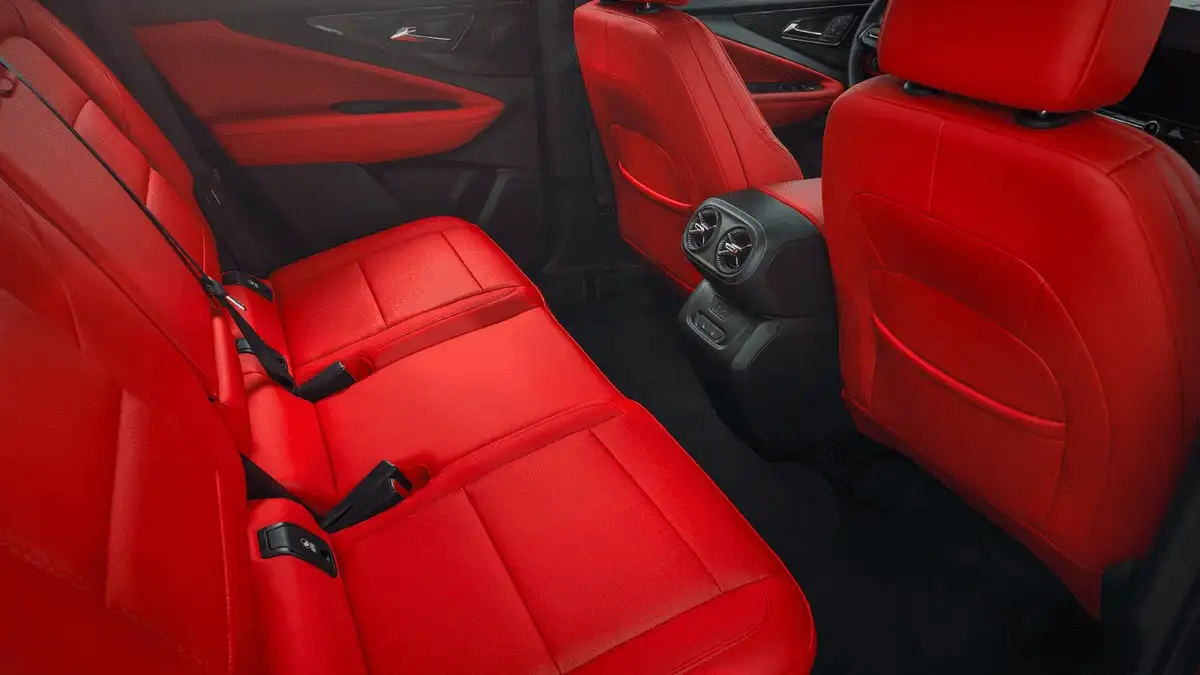
The cabin accommodates passengers with a focus on space efficiency. The absence of a transmission tunnel contributes to improved legroom and interior flexibility. Storage compartments and seating configurations support daily use and cargo transport.
Battery Capacity and Driving Range Metrics
The 2026 Chevrolet Blazer EV is equipped with a high-capacity lithium-ion battery system designed to support extended driving distances. The maximum EPA-estimated range reaches up to 334 miles on a full charge, depending on configuration. This range figure places the vehicle within a competitive position for midsize electric SUVs.
Battery performance depends on several factors, including ambient temperature, driving speed, terrain, and accessory usage. Energy consumption increases under high-speed driving and extreme temperature conditions. The vehicle’s battery management system regulates temperature and charge levels to maintain performance consistency and longevity.
The battery is integrated into the vehicle’s structure, contributing to rigidity and weight distribution. This placement also supports interior space efficiency by eliminating the need for a conventional engine compartment layout.
Charging System and Energy Management
The 2026 Chevrolet Blazer EV supports multiple charging methods, including home charging and public charging infrastructure. Charging speed varies based on the power source and equipment used. Level 2 charging systems are commonly used for residential applications, while DC fast charging provides higher power input for reduced charging times.
The vehicle includes onboard systems that monitor charging status, battery condition, and estimated range. Drivers can access charging information through the central display interface. These systems provide data on remaining charge, time to full charge, and energy consumption trends.
Thermal management plays a critical role in charging efficiency. The system maintains optimal battery temperature during charging cycles to prevent overheating and ensure consistent energy transfer. Charging performance may be limited when the battery is near full capacity or operating outside optimal temperature ranges.
Regenerative Braking and Efficiency Control
The 2026 Chevrolet Blazer EV incorporates regenerative braking technology to recover energy during deceleration. When the driver releases the accelerator or applies the brakes, the electric motor operates in reverse mode to convert kinetic energy into electrical energy. This energy is then stored in the battery.
Regenerative braking contributes to improved efficiency in stop-and-go driving conditions. It also reduces wear on traditional braking components. The system operates automatically, though its effectiveness depends on battery charge level and environmental conditions. Energy recovery may be reduced when the battery is fully charged or when temperature conditions limit system efficiency.
The integration of regenerative braking with the vehicle’s overall energy management system allows for smoother transitions between acceleration and deceleration. This contributes to consistent driving behavior and optimized energy usage.
Exterior Structure and Aerodynamic Efficiency
The exterior design of the 2026 Chevrolet Blazer EV is influenced by aerodynamic requirements and electric platform constraints. The body structure is shaped to reduce air resistance and improve energy efficiency at higher speeds. Smooth surfaces and controlled airflow paths help minimize drag.
The absence of a traditional internal combustion engine allows for a revised front-end structure. This enables improved airflow management and additional design flexibility. Trim-specific styling elements distinguish LT, RS, and SS models through variations in exterior detailing.
The vehicle maintains midsize SUV proportions, providing sufficient ground clearance and interior space while maintaining a stable stance. Structural components are engineered to support crash safety requirements and durability standards.
Integrated Connectivity and Software Features
The 2026 Chevrolet Blazer EV includes built-in connectivity systems that support navigation, voice control, and application integration. Google built-in capability allows access to Google Maps, Google Assistant, and compatible applications through the vehicle interface.
Wireless charging is available for compatible mobile devices, reducing reliance on physical connections. The system supports continuous device usage without requiring external cables.
Software updates and system integration enable the vehicle to maintain functionality over time. Connectivity features depend on network availability and subscription requirements. Drivers can access system updates and configuration settings through the central display.
Driver Assistance and Active Safety Systems
The 2026 Chevrolet Blazer EV includes a range of driver assistance technologies designed to support situational awareness and collision mitigation. Forward Collision Alert monitors the distance to vehicles ahead and provides warnings when a potential collision risk is detected. Automatic Emergency Braking can apply braking force under certain conditions if the driver does not respond in time.
Front Pedestrian Braking is designed to detect pedestrians in the vehicle’s path and assist with braking. Lane Keep Assist with Lane Departure Warning provides steering input and alerts when the vehicle begins to drift from its lane without signaling.
These systems rely on sensors, cameras, and software algorithms to monitor surroundings. They are designed to assist the driver but do not replace driver responsibility. System performance depends on environmental conditions such as visibility and road markings.
Trim Differentiation and Functional Configuration
The LT, RS, and SS trims of the 2026 Chevrolet Blazer EV provide different configurations to meet varying performance and feature requirements. The LT trim focuses on essential electric functionality and standard technology integration. The RS trim adds sport-oriented design elements and additional feature content.
The SS trim emphasizes performance enhancements, including increased power output and specialized calibration. Each trim level maintains the same core electric platform while offering variations in capability and equipment.
This structured approach allows the vehicle to serve multiple use cases within a single model range. Customers can select a configuration based on performance expectations, technology preferences, and driving requirements.
Visit Friendship Chevrolet of Forest City of Forest City for a Test Ride
We encourage you to schedule a test drive of the 2026 Chevrolet Blazer EV at Friendship Chevrolet of Forest City of Forest City near Ruth, NC. This allows direct evaluation of electric motor response, regenerative braking behavior, and available driver assistance systems under controlled conditions. You can assess the 17.7-inch touchscreen interface, connectivity features, and overall system integration during operation. A test drive also provides an opportunity to compare LT, RS, and SS configurations to determine the most suitable setup. Our team can assist with explaining charging processes, range expectations, and system functionality to support an informed decision.